A concrete driveway deals with daily vehicle traffic, changing temperatures, rain, and regular exposure to the elements. Over time, small cracks and surface damage can develop into larger problems if they are ignored. Before winter weather arrives, homeowners should inspect their driveways and address visible damage. Double Oak Outdoor Living provides concrete driveway installation, repair, and drainage solutions for homeowners in Birmingham and surrounding Central Alabama communities.
Why Concrete Driveway Maintenance Matters Before Winter
Concrete is durable, but it is not completely resistant to weather-related wear. Water can enter small openings in the surface, while temperature changes may contribute to existing damage. During freezing conditions, trapped moisture can expand and put additional stress on concrete.
Regular concrete driveway maintenance helps homeowners identify early signs of deterioration and decide when repairs are necessary. Addressing these concerns before colder weather can help prevent existing problems from becoming more difficult to manage.
Inspect Your Driveway for Concrete Driveway Cracks
Start by examining the entire driveway. Look for visible cracks, uneven sections, surface deterioration, and areas where water collects after rainfall.
Not every crack indicates serious structural damage. However, widening cracks, noticeable height differences, or areas that continue to deteriorate deserve closer attention.
Pay particular attention to:
- Small surface cracks: These may allow water to enter the concrete.
- Widening cracks: Changes in crack size may indicate ongoing movement or deterioration.
- Uneven sections: Differences in surface height can create safety concerns.
- Standing water: Poor drainage can expose concrete to prolonged moisture.
Taking note of these issues helps determine whether basic maintenance or professional concrete driveway repair is needed.
Address Concrete Driveway Repair Before Winter
Visible damage should not be ignored simply because it appears minor. The appropriate repair depends on the condition of the concrete, the size of the damaged area, and the possible cause.
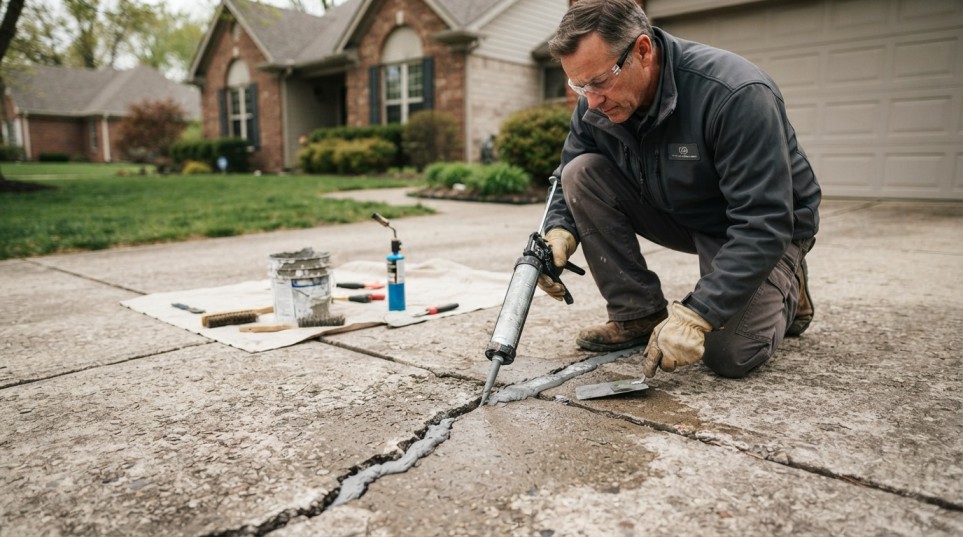
For example, small cracks may require a suitable concrete crack repair product, while larger cracks, separated sections, or uneven surfaces may need professional evaluation.
Cracked concrete driveway repair should address more than the visible opening. If water drainage, ground movement, or an underlying surface problem contributes to the damage, those conditions should also be considered.
Avoid applying a repair product without checking whether it is appropriate for the crack size, concrete condition, and expected weather.
Clean and Prepare the Surface
Cleaning is a practical part of winter driveway preparation. Dirt, leaves, and other debris can collect on concrete and make existing surface problems harder to inspect.
Before colder weather:
- Remove leaves, mud, and loose debris.
- Sweep the driveway to clear accumulated dirt.
- Check areas where water regularly collects.
- Look for cracks that may have been hidden beneath debris.
- Make sure drainage paths are not obstructed.
A clean surface makes it easier to monitor the driveway and identify areas that need attention.
Protect Your Driveway From Winter Moisture
In Birmingham, heavy winter rain is often a bigger concern than hard freezes, since repeated soaking can work into cracks and weaken the surface beneath the concrete.
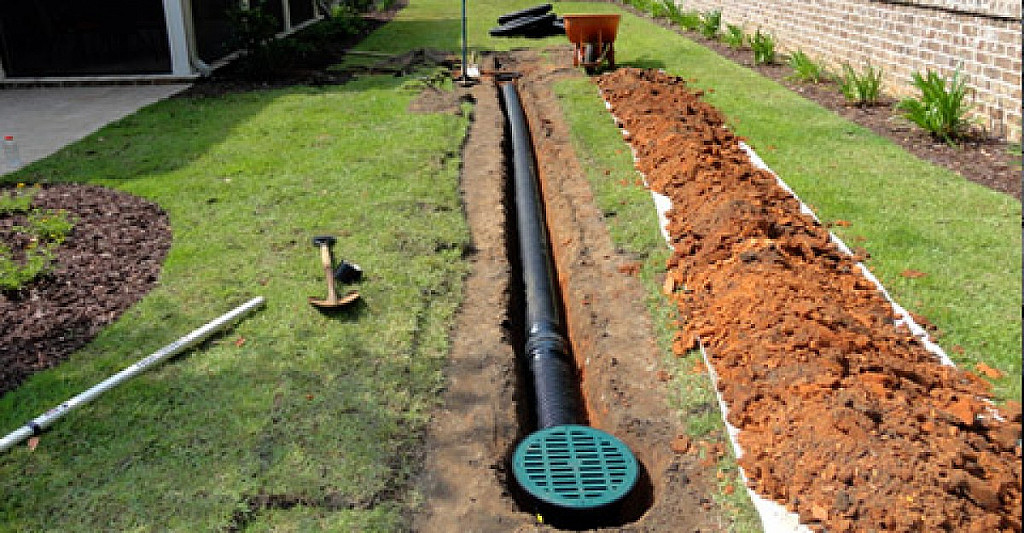
Water management is an important consideration when preparing concrete for colder weather. Standing water around a driveway can contribute to deterioration, particularly when temperatures fluctuate.
Check whether rainwater flows away from the driveway or repeatedly collects along its edges. Also, look for drainage problems near adjoining landscaping and paved areas.
Avoid using chemical deicers unless the product manufacturer confirms they are suitable for your concrete surface. Some products can contribute to concrete deterioration.
For traction, sand may be an alternative to chemical ice-melting products. It provides grip without relying on deicing chemicals.
If water repeatedly collects around your driveway, the underlying drainage conditions may need professional attention.
How to Maintain a Concrete Driveway Throughout the Year
Winter preparation is only one part of long-term driveway care. Consistent maintenance helps homeowners recognize changes before they become more extensive.
Follow these practical habits:
- Inspect concrete regularly for new cracks and surface damage.
- Keep the driveway free from accumulated leaves and debris.
- Address drainage concerns that cause standing water.
- Avoid placing unnecessary heavy loads on visibly damaged sections.
- Use concrete-compatible cleaning and maintenance products.
- Arrange a professional assessment when cracks widen or surfaces become uneven.
Understanding how to maintain a concrete driveway throughout the year can help homeowners make informed decisions about cleaning, maintenance, and repairs.
When Should You Consider Professional Concrete Driveway Repair?
Some driveway problems require more than routine cleaning or a small surface repair. Widening cracks, uneven concrete, recurring water accumulation, and significant surface deterioration are reasons to seek a professional assessment.
The right solution depends on the driveway’s existing condition and the factors contributing to the damage. Repairing the visible area without considering drainage or other underlying concerns may not address the entire problem.
Homeowners in Birmingham and surrounding areas can explore professional concrete solutions based on their property’s specific needs.
Frequently Asked Questions
1. How do you prepare a concrete driveway for winter?
Clean the surface, inspect for cracks, address existing damage, and check drainage conditions. These steps help identify potential problems before colder weather arrives.
2. Can concrete driveway cracks get worse during winter?
Yes. Water can enter existing cracks and expand when it freezes. Repeated freezing and thawing may contribute to further deterioration.
3. When should a concrete driveway be repaired?
A driveway should be evaluated when cracks widen, sections become uneven, or surface damage continues to develop. The appropriate repair depends on the severity and underlying cause.
4. How often should you perform concrete driveway maintenance?
Inspect your driveway regularly, particularly before and after seasonal weather changes. Clean debris, monitor cracks, and address drainage issues when they appear.
Get Help With Your Concrete Driveway
Preparing your driveway for winter starts with identifying damage and understanding which repairs may be needed. Whether you are dealing with visible cracks, uneven concrete, or drainage concerns, choosing an appropriate solution is important.
Double Oak Outdoor Living offers concrete driveway installation, repair, and drainage solutions in Birmingham and surrounding areas. Contact the team to discuss your driveway project and request a free estimate.
Call (205) 544-3231 or request a free estimate to get started.